
Buy Specialty Coffee Online: A Complete Buyer's Guide
Key takeaways
- Specialty coffee scores 80 or above on the Specialty Coffee Association's 100-point cupping scale, a quality bar most grocery coffee never reaches.
- In 2026, 48% of American adults drank specialty coffee in the past day, a record high according to the National Coffee Association.
- A roast date on the bag matters more than a best-by date; flavor peaks in the first few weeks after roasting.
- Whole bean coffee holds its aroma far longer than pre-ground, so order whole bean and grind at home when you can.
- Novabos roasts to order and ships fresh across the US, so your beans arrive close to their roast date.
You can buy excellent specialty coffee online by reading three things on the bag: the grade, the roast date, and the origin. Skip the generic "gourmet" labels and look for coffee that a roaster can actually describe by farm, process, and score.
More people are shopping this way than ever. In 2026, 48% of American adults reported drinking specialty coffee in the past day, a new record that pushed specialty past traditional coffee for the first time (National Coffee Association, 2026). This guide walks you through what to check before you click buy.
What Qualifies Coffee as "Specialty Grade" When You Buy Specialty Coffee Online?
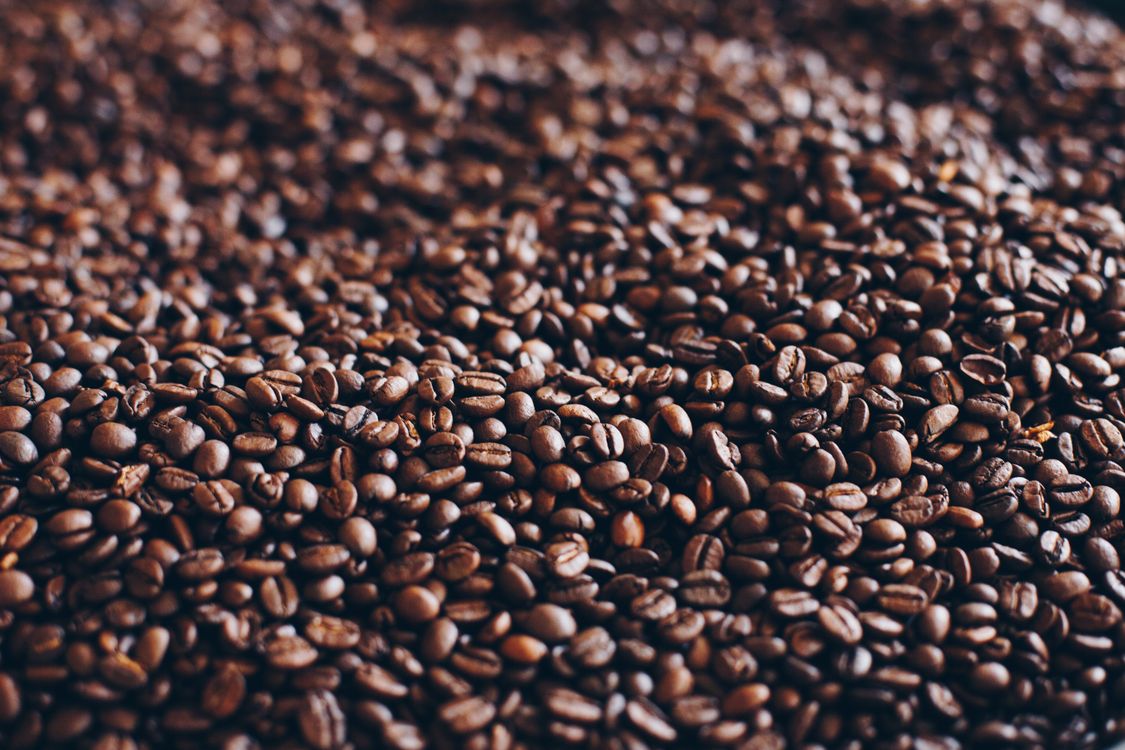
Specialty grade is a measurable standard, not a marketing word. The Specialty Coffee Association defines specialty coffee as green coffee that scores 80 or above on a 100-point cupping scale, judged by trained tasters on aroma, flavor, acidity, body, and balance, with no primary defects in the beans.
That score reflects work at every step: careful farming, clean processing, and a roast that brings out the bean's character instead of hiding it. Most supermarket coffee never gets evaluated this way, which is part of why specialty tastes noticeably different in the cup.
When you buy specialty coffee online, the grade is the first filter: a serious roaster will tell you the coffee meets the 80-point bar, and demand for that quality is at a 14-year high.
Grade also explains the price gap. Specialty coffee costs more because the supply chain pays for quality at each step, from farmers who harvest only ripe cherries to roasters who cup and adjust every batch. You are not paying for a fancier label; you are paying for a cup that tastes distinctly of its origin rather than generically of "coffee."
How Do You Read Sourcing, Roast Date, and Origin Labels?
Read the label the way you would read a nutrition panel: look for specifics. A strong specialty listing names the origin, gives a roast date, and describes the sourcing. Vague bags that only say "premium blend" with a far-off best-by date are hiding the details that matter.
Here is what each label tells you.
- Roast date. The day the beans were roasted. This is the single most useful number on the bag. A best-by date alone tells you little about freshness.
- Origin. A country, region, or ideally a specific farm or cooperative. Single-origin coffees highlight one place; blends combine several for balance.
- Process. Washed, natural, or honey. Each method shapes the flavor, from clean and bright to fruity and sweet.
- Roast level. Light, medium, or dark. Medium is the American favorite: 62% of US coffee drinkers prefer a medium roast, up 35% since 2020 (National Coffee Association, 2025). That same report found specialty consumption at a 14-year high.
If a page gives you all four, you are buying from a roaster who has nothing to hide.
Whole Bean vs Ground: What Should You Order Online?
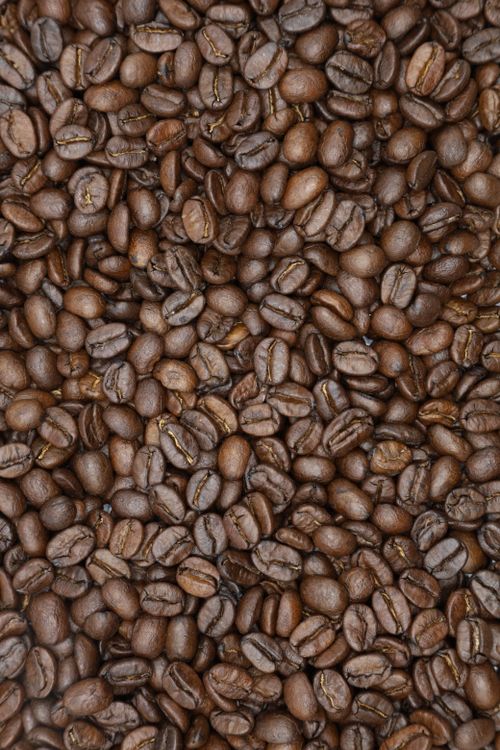
Order whole bean whenever you own a grinder. Ground coffee loses its aromatic compounds quickly once the surface area is exposed to air, so a bag of pre-ground coffee is already fading by the time it reaches your door. Whole beans hold that aroma far longer and release it the moment you grind.
The practical rule is simple. Grind right before you brew, and only grind what you need for that pot. If you do not have a grinder yet, ordering ground coffee is a reasonable starting point, but a modest burr grinder is the upgrade that pays off most for specialty beans.
Grind size also depends on your method. A pour-over wants a medium grind, while espresso wants something much finer. Match the grind to your brewer, and the same beans will taste cleaner and more balanced in the cup.
Bag size is the other decision people get wrong online. It is tempting to buy the biggest bag for the best price per pound, but a large bag you take two months to finish is stale long before the last scoop. Buy a size you will drink within three to four weeks of the roast date. For most households, that means a 12-ounce bag per week or two, not a bulk sack.
Storage protects what you paid for. Keep beans in an airtight container away from light, heat, and moisture, and leave them whole until brew time. Skip the freezer for daily-use coffee; condensation from repeated thawing dulls the flavor faster than a sealed bag on the counter.
Why Roasted-to-Order Freshness Matters for Delivery
Freshness is where buying online can actually beat the grocery shelf, as long as the coffee is roasted to order. Beans taste their best in the first few weeks after roasting, so the gap between roast day and your first brew is the window you want to keep short. A bag that sat in a warehouse for months loses that edge no matter how high it scored.
Roasted-to-order means the roaster fires up the batch after you place the order, then ships it quickly. You get beans dated days, not months, before they arrive. That is the whole advantage of a direct online purchase over a mass-market bag with an anonymous production date.
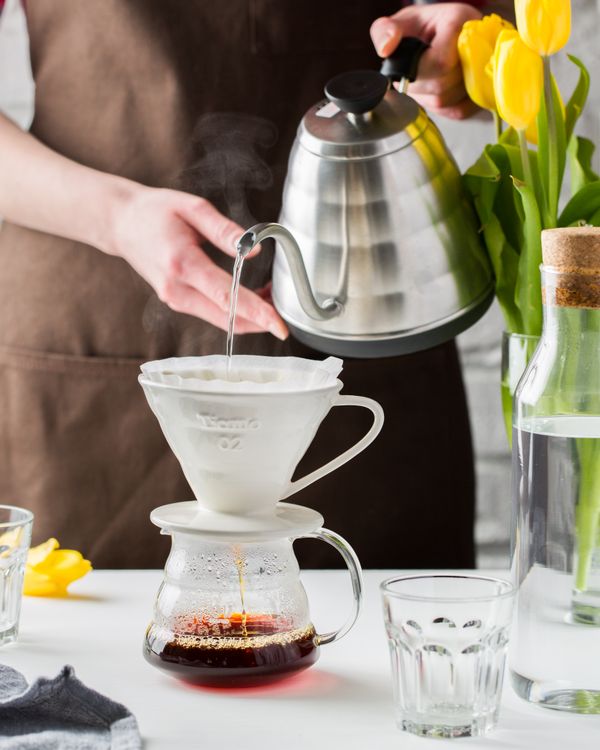
Espresso drinkers care about this timing too. In 2026, 47% of American adults had an espresso-based drink in the past week, up 17.5% since 2022, part of the same National Coffee Association record cited above. Fresh beans matter even more under pressure, where stale coffee shows up as flat crema and dull flavor.
If your stomach reacts to brighter roasts, freshness is not the only lever. Bean origin and roast profile affect perceived acidity, and our roundup of the best low-acid coffee blends in the USA explains how to pick a gentler cup without giving up flavor.
How Novabos Delivers Specialty Coffee Nationwide
Novabos roasts to order and ships freshly roasted specialty coffee across the US, which keeps your beans close to their roast date on arrival. Each option lists what it is so you can shop with the same checklist this guide describes: grade, origin, roast level, and whole bean or ground.
The subscription is built around the freshness point above. Instead of buying a large bag that goes stale before you finish it, you set a delivery rhythm that matches how fast you actually drink coffee. Beans arrive on a schedule, roasted for that shipment, so you are always working through a fresh bag.
The lineup also covers drinkers with specific needs: low-acid blends for sensitive stomachs, mushroom coffee for people trimming caffeine, plus tea and merchandise. Picking the right bag is the same decision every time. Read the label, mind the roast date, and choose whole bean when you can.
Ready to put this into practice? Start with a single whole-bean specialty bag, note the roast date when it lands, and taste it across the first two weeks. If you like what you get, move to a subscription so the next fresh batch is already on its way before you run out.
Frequently asked questions
What does it mean to buy specialty coffee online?
It means ordering coffee that scores 80 or higher on the Specialty Coffee Association cupping scale directly from a roaster or retailer. The best sellers list the origin, roast date, and tasting notes so you know exactly what you are getting.
Is it better to buy whole bean or ground coffee online?
Whole bean is better for freshness because ground coffee loses its aroma quickly after grinding. Order whole bean and grind just before brewing. Choose ground only if you do not own a grinder.
How fresh should coffee be when it arrives?
Look for a roast date within the past two to three weeks. Roasted-to-order coffee shipped promptly gives you the widest flavor window at home, which is why roast date beats a generic best-by date.
What makes coffee 'specialty grade'?
The Specialty Coffee Association defines specialty grade as green coffee scoring 80 or above on a 100-point scale, with no primary defects. It reflects careful farming, processing, and roasting rather than a marketing label.
Does Novabos ship specialty coffee nationwide?
Yes. Novabos roasts to order and ships freshly roasted specialty coffee across the US, including low-acid blends and a subscription option that times delivery to your routine.