
Coffee Roast Levels Explained: Light, Medium & Dark
Key takeaways
- Light, medium and dark roast describe how long beans spend in the roaster, which changes flavor, acidity and body.
- Light roasts taste brighter and more acidic; dark roasts taste bolder and more bitter with roast-forward notes.
- Caffeine stays close to equal by weight across roasts, so the roast you pick is about taste, not a caffeine boost.
- A medium roast is a dependable choice for drip and pour-over, while dark roasts suit espresso and French press.
- Pick a roast by the flavors you enjoy, then match it to how you brew most mornings.
Coffee roast levels describe how long green beans are roasted, and that single variable decides much of what ends up in your cup. Light roasts keep bright, fruity flavors, dark roasts turn bold and smoky, and medium roasts land in the middle. Once you understand what changes inside the bean, choosing between light vs dark roast stops feeling like a guess.
This guide walks through what happens at each stage, how flavor and acidity shift, what the roast does to caffeine, and which roast fits your favorite brew method.
What Happens To Beans At Each Of The Coffee Roast Levels?
Roasting turns a dense, grassy green seed into the aromatic brown bean you grind. Heat drives off moisture, triggers chemical reactions, and develops the sugars and acids that create flavor. The longer beans stay in the roaster, the darker and oilier they become.
Roasters track progress by sound. The first audible pop, known as first crack, marks the start of light roast territory. Push further and the beans reach a second crack, which signals dark roast levels. Each stage looks and tastes distinct.
Here is how the three main levels compare.
| Roast level | Bean color | Surface | Roast stage |
|---|---|---|---|
| Light | Light brown | Dry, no oil | Around first crack |
| Medium | Medium brown | Mostly dry | Between the two cracks |
| Dark | Dark brown to near black | Oily sheen | At or past second crack |
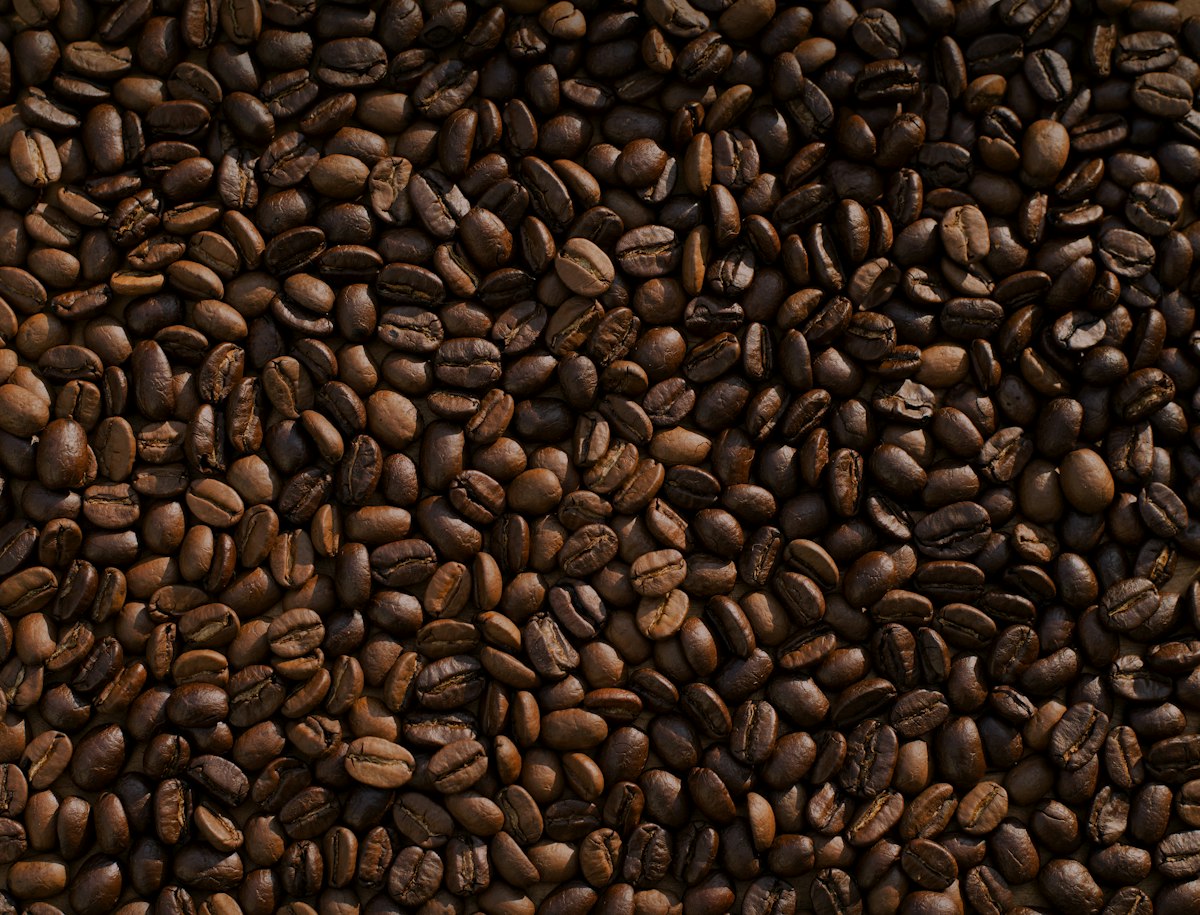
Light roasts stay matte and dry because they leave the roaster before oils migrate to the surface. Medium roasts show deeper color with little or no oil. Dark roasts develop a glossy, oily skin as roasting breaks the bean down further. That shift from matte to oily is a quick visual cue for where a bag falls on the spectrum.
How Does Flavor Change From Light To Dark?
Flavor is where light vs dark roast becomes most obvious. Light roasts preserve the character of the origin, so you taste fruit, florals, and bright citrus notes tied to where the beans grew. Darker roasts replace those origin flavors with roast-driven taste: chocolate, caramel, and smoke.
Think of it as a trade. A light roast highlights the bean. A dark roast highlights the roast itself.
- Light roast: bright, fruity, tea-like, often citrusy or berry-forward
- Medium roast: balanced, rounded, with mild sweetness and gentle acidity
- Medium-dark roast: richer body, notes of chocolate and toasted nuts
- Dark roast: bold, smoky, bittersweet, with little origin character left
Medium roast is popular for a reason. It keeps some of the bean's natural sweetness while adding body, which makes it feel familiar to most drinkers. If you enjoy tasting the difference between beans from Ethiopia and Colombia, a lighter roast will show that contrast far better than a dark one. For a closer look at how origin shapes taste, see our guide to single-origin versus blend coffee.
How Does Roast Affect Acidity And Caffeine?
Roast level has a clear effect on acidity and a smaller effect on caffeine than most people expect. Lighter roasts keep more of the bean's natural acids, which read as brightness and tang. As roasting continues, those acids break down, so darker roasts taste smoother and less sour.
Caffeine is the part people most often get wrong. Caffeine is fairly heat stable, so the amount in the bean does not change dramatically across roast levels. Researchers at Berry College studied how roasting affects what reaches your cup and found that extraction, not raw caffeine, drives the difference.
As lead researcher Zachary Lindsey put it, "Our results show that coffee loses caffeine during the later stages of roasting." He added a practical recommendation: "If it's caffeine that you want, our data suggest that a medium roast is generally a solid choice" (Berry College, 2025).
There is also a measurement quirk worth knowing. Light roast beans are denser because they lost less moisture, so a level scoop of light roast holds slightly more coffee, and therefore a touch more caffeine, than the same scoop of puffier dark roast. Weigh your dose by grams and the gap nearly disappears. If a gentler, lower-acid cup matters more to you than a caffeine edge, the roast you choose is only part of the picture.
Which Roast Suits Which Brew Method?
Matching roast to brew method is one of the easiest ways to improve your coffee. Different methods pull out flavor differently, so a roast that sings in one setup can taste flat in another. The goal is balance between how the roast tastes and how the method extracts.
Lighter roasts reward methods that showcase clarity. Darker roasts shine where richness and body are the point.
| Brew method | Suggested roast | Why it works |
|---|---|---|
| Pour-over | Light to medium | Highlights bright, clean flavors |
| Drip machine | Medium | Forgiving and balanced for daily use |
| French press | Medium-dark to dark | Full body stands up to immersion |
| Espresso | Medium-dark to dark | Rich, low-acid shot with crema |
| Cold brew | Medium to dark | Smooth, chocolatey, low in sharpness |
A pour-over with a light roast can taste like a completely different drink than a dark roast French press, even using the same beans. If you want to dial in your technique, our pour-over brewing guide walks through the steps that bring out a light roast's best side.
How Do You Pick The Right Roast For Your Taste?
Picking a roast comes down to the flavors you already enjoy, then matching them to how you brew most mornings. There is no universally best roast. The right choice is the one that tastes good to you and fits your routine.
Start with a simple question: do you like your coffee bright and lively, or bold and comforting? If bright and fruity sounds appealing, reach for a light or light-medium roast. If you want something rich and smooth that pairs well with milk, a medium-dark or dark roast will feel more at home.
A few tips make the choice easier:
- New to specialty coffee? Begin with a medium roast. It forgives small brewing errors and pleases most palates.
- Love milk drinks or espresso? Lean darker so the coffee cuts through the milk.
- Curious about origin flavors? Go lighter to taste where the beans came from.
- Sensitive to bitterness? A lighter or medium roast keeps bitter notes in check.
At Novabos Coffee, we roast in small batches and label each blend by roast level and tasting notes, so you can match a bag to your brewer and your mood without guesswork. Taste is personal, and the best way to find your favorite is to try a couple of roast levels with your usual method and note which cup you reach for again.
Frequently asked questions
Does dark roast have more caffeine than light roast?
No. Caffeine is fairly stable during roasting, so dark and light roasts have roughly the same amount by weight. Because light roast beans are denser, a scoop of light roast can hold slightly more.
Which roast level is best for beginners?
A medium roast is the easiest starting point. It balances brightness and body, forgives small brewing mistakes, and works well with drip machines, pour-over and automatic brewers.
Is light roast more acidic than dark roast?
Yes. Light roasts keep more of the bean's natural acids, so they taste brighter and more citrusy. Darker roasts lose much of that acidity and taste smoother and more bitter.
What roast is best for espresso?
Medium-dark and dark roasts are traditional for espresso because they pull a rich, syrupy shot with lower acidity. Lighter roasts can work too, but they taste sharper and need careful dialing in.
Can I use the same roast for every brew method?
You can, but matching roast to method gives better results. Lighter roasts shine in pour-over and drip, while darker roasts suit French press, espresso and cold brew.