
What Is Specialty Coffee? A Beginner's Guide
Key takeaways
- Specialty coffee is coffee that scores 80 points or higher on a 100-point quality scale set by the Specialty Coffee Association.
- The score comes from trained tasters who rate attributes like aroma, flavor, acidity, and body during a standardized cupping.
- Specialty coffee is traceable from farm to cup, while commodity coffee is blended and sold mostly on price.
- National Coffee Association data shows 47% of American adults drank specialty coffee in the past day, a record high.
- You can start exploring by trying a single-origin or fresh roast and noticing the flavors you actually taste.
Specialty coffee is coffee that scores 80 points or higher on a 100-point quality scale defined by the Specialty Coffee Association. That score is assigned by trained tasters who judge attributes like aroma, flavor, acidity, and body, which is what separates specialty coffee from the standard beans sold on price alone.
If you have ever wondered what the "specialty" label on a bag actually promises, this guide walks through how the grade works, how the coffee travels from farm to cup, and how to start tasting the difference yourself.
How Specialty Coffee Is Defined and Graded
The Specialty Coffee Association (SCA) sets the standard the industry uses. In practice, the definition comes down to a number: a coffee has to earn at least 80 points out of 100 to be called specialty grade.
That number is not a marketing figure. It is the result of a structured tasting process called cupping, where certified evaluators smell and taste brewed samples under controlled conditions and score them on a fixed form. Only coffees that clear the 80-point bar qualify.
A growing number of Americans are choosing these higher-grade coffees. According to the National Coffee Association, 47% of American adults drank specialty coffee in the past day, a record high, and the figure climbs to 69% of adults aged 25 to 39 over the past week. Specialty coffee is no longer a niche habit.
What the SCA Score Means
The 100-point scale sounds precise, and it is meant to be. Tasters rate a coffee across several attributes, each scored in small quarter-point increments, then total the results. Defects, such as a sour or musty cup, pull points off the final figure.
Here is roughly how the ranges break down:
- 90 to 100 points: Outstanding. These lots are rare.
- 85 to 89.99 points: Excellent.
- 80 to 84.99 points: Very good. This is entry-level specialty.
- Below 80 points: Commodity or commercial grade, not specialty.
The people doing the scoring are often Q graders, professionals certified by the Coffee Quality Institute to evaluate coffee using the SCA protocol. They act as the industry's quality referees, so a score from a trained grader carries real weight.
The scoring itself has evolved. In late 2024 the SCA introduced a broader framework called the Coffee Value Assessment, which looks at coffee across physical, descriptive, and taste-based dimensions rather than a single number. Even so, the 80-point threshold remains the benchmark most buyers and sellers still recognize.
The Journey From Farm to Cup
A specialty score is earned long before the coffee reaches your kitchen. Every stage of the supply chain either protects or damages the quality that was present in the raw fruit.
At the farm. Coffee grows as a cherry, and ripe cherries taste better than unripe ones. Specialty producers tend to pick selectively, harvesting only the ripe fruit by hand instead of stripping an entire branch at once.
Processing. After harvest, the fruit is removed from the seed using methods like washed, natural, or honey processing. Each method leaves a different signature in the final flavor.
Milling and grading. The green beans are sorted and graded, with tight limits on defects. A sample with too many flawed beans cannot reach specialty grade no matter how good the rest tastes.
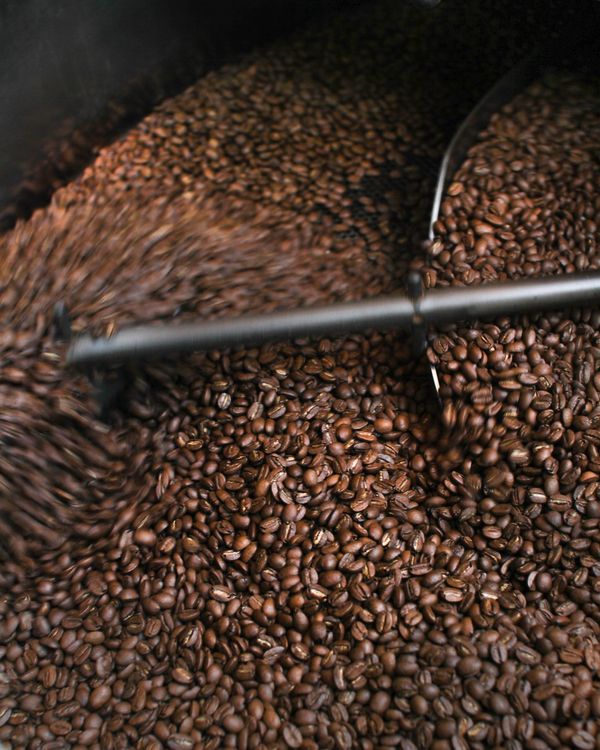
Roasting. A roaster's job is to develop the flavor already locked inside the bean without masking its origin character. This is where freshness matters most, which is why freshly roasted coffee tends to beat supermarket beans that have sat on a shelf for months.
Brewing. The final stage is in your hands. Water temperature, grind size, and timing all decide whether the quality survives into the cup.
Because so many steps affect the result, specialty coffee is usually traceable. A good roaster can tell you the country, the region, and sometimes the exact farm a coffee came from.
How Specialty Differs From Commodity Coffee
Most coffee sold worldwide is commodity coffee. It trades as a bulk good, priced against a global market rate, and it is typically blended from many sources to hit a consistent, inexpensive, and often forgettable flavor.
Specialty coffee works differently in a few clear ways.
| Factor | Specialty Coffee | Commodity Coffee |
|---|---|---|
| Quality score | 80+ on the SCA scale | Below 80 |
| Sourcing | Traceable to region or farm | Blended, often anonymous |
| Harvesting | Selective, ripe cherries | Strip-picked for volume |
| Priced on | Flavor and quality | Market rate and volume |
| Freshness | Roasted in smaller batches | Often mass-roasted months ahead |
The practical difference you notice is flavor clarity. A commodity blend aims to taste the same every time. A specialty coffee aims to taste like the place it came from, which means distinct notes of fruit, chocolate, nuts, or flowers depending on origin and roast.
How to Start Exploring Specialty Coffee
You do not need special equipment or a trained palate to begin. The goal at first is simply to taste the difference, then let your preferences guide you.
A few practical starting points:
- Buy fresh and buy whole bean. Coffee starts losing aroma soon after grinding, so grinding just before you brew preserves the most flavor.
- Try a single origin. A single-origin coffee comes from one place, which makes its distinct flavors easier to notice than a blend. Deciding between the two is a common first question, and the choice between single-origin and blend coffee is worth thinking through early.
- Taste it black first. Before adding milk or sugar, take a sip on its own. You are looking for the notes the roaster describes on the bag, whether that is berry, caramel, or citrus.
- Pay attention to what you like. Keep a loose note of which origins, roast levels, and processing methods you enjoy. Over time a pattern emerges, and shopping gets easier.
At Novabos Coffee, our freshly roasted specialty blends, including low-acid options for sensitive stomachs, are a straightforward place to begin without committing to a whole new routine. Pick one coffee, brew it carefully, and see what you notice.
The next step is simple: choose one freshly roasted single-origin bag this week, grind it right before brewing, and taste it black before you reach for anything else. That first honest sip is how most people discover what specialty coffee actually offers.
Frequently asked questions
What makes coffee 'specialty' instead of regular?
Specialty coffee scores 80 or more points on the Specialty Coffee Association's 100-point scale, judged by trained tasters. Regular or commodity coffee falls below that threshold and is usually sold on price rather than flavor quality.
What is a good SCA score for coffee?
Any coffee scoring 80 points or higher qualifies as specialty. Scores of 85 to 89.99 are considered excellent, and 90 or above is outstanding and rare.
Is specialty coffee worth the higher price?
If you care about flavor clarity, freshness, and knowing where your beans came from, many drinkers find it worth the cost. It is a matter of taste and priorities, not a universal rule.
How do I start drinking specialty coffee?
Buy a freshly roasted single-origin coffee, grind it just before brewing, and taste it without additives first so you can notice its natural flavor notes.