

Loose Leaf vs Tea Bags: Which Brews a Better Cup?
Key takeaways
- Loose leaf tea uses whole or broken leaves, while most tea bags hold fannings and dust, the smaller grades that brew a flatter cup.
- Standard tea bags cost less per cup and take seconds, but loose leaf often re-steeps several times, narrowing the real price gap.
- Many conventional tea bags contain plastic, and research shows plastic bags can shed billions of microplastic particles into a single cup.
- You can brew loose leaf with just a strainer or a small infuser, so the extra effort is smaller than most people expect.
Loose leaf brews a fuller, more flavorful cup and can be steeped several times, while tea bags win on speed and the lowest upfront price. The right choice in the loose leaf vs tea bags question depends on whether you care more about flavor and leaf quality or quick convenience on a busy morning.
Below is a practical breakdown of how the two options compare on quality, taste, cost, environmental impact, and how easy loose leaf really is to brew at home.
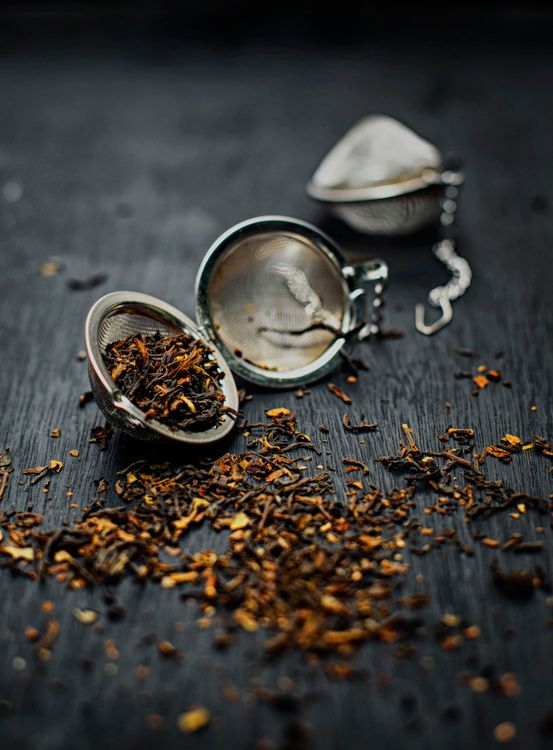
Loose Leaf vs Tea Bags: How Quality Differs
The biggest difference comes down to the grade of the leaves inside.
Tea is sorted into grades after processing. Whole leaf sits at the top, followed by broken leaf, then two much smaller grades: fannings and dust. Fannings and dust are the small fragments left over from crushing larger leaves, and they are generally treated as the lesser grades.
Standard tea bags are usually filled with fannings and dust. The small pieces fit neatly into a bag and brew fast, which is exactly why mass-market tea bags became popular. Loose leaf tea, by contrast, is typically whole or broken leaf, so you are steeping larger, more intact pieces.
That single difference drives almost everything else: flavor, freshness, how many times you can steep, and even how the tea feels in the cup.
Flavor, Freshness, and Leaf Grade Compared
Larger leaves hold their character longer. Whole leaves have less surface area exposed to air and light, so the oils and aromatic compounds that give tea its flavor break down more slowly. The tiny particles in dust-grade tea have far more exposed surface area, which speeds up oxidation and can leave the brew tasting flat or sharply bitter.
Room to unfurl matters too. When whole leaves steep in open water, they expand and release flavor evenly. Crammed inside a small bag, leaves cannot open fully, so the extraction is quicker but shallower.
Freshness compounds the gap. Because loose leaf starts with larger pieces and less surface exposure, a well-stored tin of loose leaf often tastes brighter weeks later than a box of bags filled with dust.
There is also a payoff in re-steeping. Good loose leaf tends to keep giving across multiple infusions, holding flavor and much of its character into a second or third brew, while most bags are largely spent after a single cup.
If you already enjoy dialing in flavor with coffee, the thinking carries over. The same attention to grind, water, and extraction that shapes a great cup of coffee applies to tea, and our guide on how to brew the perfect pour-over coffee at home covers the same water-and-timing principles that make loose leaf shine.
Brewing Convenience and Cost Considerations
This is where tea bags earn their place.
A tea bag is hard to beat for speed. Drop it in a mug, add hot water, wait a few minutes, and lift it out. There is nothing to measure, no strainer to rinse, and no stray leaves to clean up. For a quick cup at the office or a hotel room, that convenience is the whole point.
Loose leaf asks for a little more. You measure the leaves, use an infuser or strainer, and rinse it afterward. The extra steps are small, but they are real, especially before your first cup of the day.
On price, the picture is more layered than a sticker comparison suggests.
- Per box, basic tea bags are usually the cheapest option on the shelf.
- Per gram, quality loose leaf can look more expensive at first.
- Per cup, loose leaf narrows the gap because many loose teas re-steep two or three times from the same leaves.
So the question is not only what you pay at checkout, but how many cups you actually get. A spoon of loose leaf that yields three solid infusions can end up costing less per cup than a single-use bag of lower-grade tea.
Environmental Impact of Each Option
Loose leaf has a clear edge on waste, and the reason is plastic.
Many conventional tea bags are not pure paper. Manufacturers often use a thin layer of polypropylene, a plastic, to heat-seal the bag so it holds together in hot water. A growing number of premium pyramid bags are made from nylon or other plastics instead of paper. That plastic is the part that does not compost and that sheds particles when steeped.
Researchers at McGill University found that a single plastic teabag steeped at brewing temperature released roughly 11.6 billion microplastic particles and 3.1 billion nanoplastic particles into one cup, levels the university described as thousands of times higher than those reported previously in other foods. You can read the summary in McGill University's report on plastic in tea.
More recent work points the same direction. A 2024 study from the Universitat Autonoma de Barcelona reported that polypropylene tea bags released about 1.2 billion particles per milliliter of brewed tea, and that these particles were absorbed by human intestinal cells in the lab, with some even entering the cell nucleus. The research is summarized in the university's note on microplastics released by commercial tea bags.
Loose leaf sidesteps this entirely. There is no bag, no seal, and no plastic mesh. Spent leaves are simply plant matter, so they go straight into home compost or the garden. If reducing single-use plastic and kitchen waste matters to you, loose leaf is the straightforward choice.
How to Brew Loose Leaf Tea the Easy Way
The idea that loose leaf is fussy is mostly a myth. You need one small tool and about four minutes.
Here is a simple method that works for almost any tea:
- Measure the leaves. Use about one teaspoon per cup as a starting point, then adjust to taste.
- Heat your water. Green and white teas prefer water a little below boiling; black and herbal teas can take a full boil.
- Steep. Place the leaves in a basket infuser set in your mug, or add them straight to a teapot. Let them sit for three to five minutes so they can fully unfurl.
- Separate and serve. Lift out the infuser, or pour the tea through a small strainer into your cup.
- Re-steep. Keep the leaves and brew a second or third cup. Each infusion tells you a little more about the tea.
A basket infuser with wide holes gives leaves the most room to open, which usually beats a tightly packed ball infuser. If you do not own either, steeping loose in the pot and pouring through a mesh strainer works perfectly well.
For anyone building a better home setup across both tea and coffee, it helps to start with fresh, carefully sourced product rather than aging stock. Novabos Coffee leans on that same freshly roasted, small-batch approach for its coffees, and the principle is identical with tea: the fresher and higher the grade of what you steep, the better the cup, loose leaf or otherwise.
Choose tea bags when you want speed and the lowest possible price, and choose loose leaf when flavor, re-steeping, and avoiding plastic matter more. If you are ready to taste the difference, pick one loose leaf tea you already like in bagged form, brew both side by side this week, and let your own cup settle the comparison.
Explore Low Acid Tea Explore Tea for Energy
Frequently asked questions
Is loose leaf tea actually better than tea bags?
For flavor and re-steeping, loose leaf usually wins because it uses larger leaf grades. Tea bags win on speed and upfront cost.
Do tea bags contain plastic?
Many do. Common bags use polypropylene to seal the seams, and some premium pyramid bags are made from nylon or PET.
Can you re-steep loose leaf tea?
Yes. Many loose leaf teas hold flavor and antioxidants across several infusions, while most bagged teas fade after one or two.
What is the easiest way to brew loose leaf tea?
Put the leaves in a basket infuser or steep them directly in the pot, then pour through a small strainer into your cup.