
How Much Caffeine Is Really in Your Cup of Coffee?
Key takeaways
- A 12-ounce cup of brewed coffee typically contains 113 to 247 mg of caffeine, according to the FDA.
- Brew method and serving size affect caffeine more than roast level does.
- Decaf is not caffeine-free: an 8-ounce cup still holds about 2 to 15 mg.
- The FDA says up to 400 mg of caffeine per day is generally safe for healthy adults.
- Light roast averages slightly more caffeine by weight than dark roast, but the gap is small.
A 12-ounce cup of brewed coffee usually carries 113 to 247 mg of caffeine, based on figures from the U.S. Food and Drug Administration. The exact amount in your mug comes down to how you brew it, how big the serving is, and which beans you use, so the "one cup" on a nutrition chart rarely matches what is actually in your hand.
If you have ever wondered how much caffeine in coffee you are really drinking each morning, the honest answer is that it varies more than most people expect. A short espresso and a tall cold brew can sit at opposite ends of the scale. Below is a clear breakdown of what drives those numbers and how to keep your intake in a comfortable range.
How Much Caffeine in Coffee by Brew Method and Serving Size
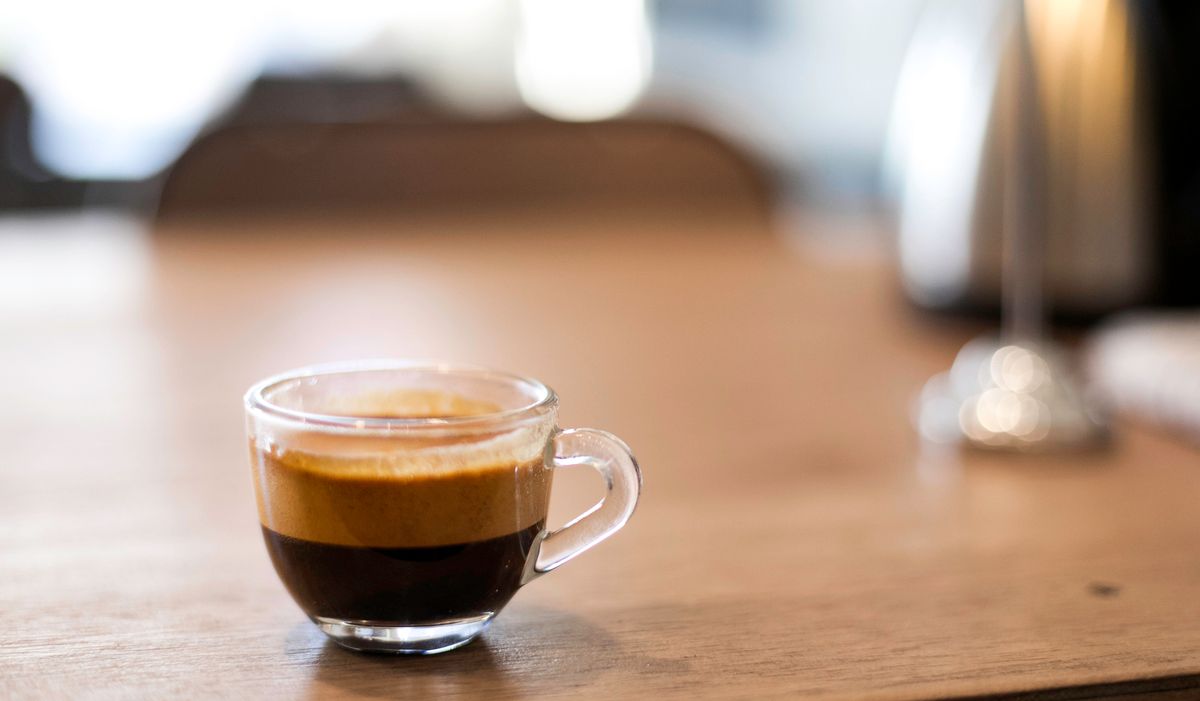
Serving size is the single biggest reason caffeine numbers swing so widely. A drink with a high concentration per ounce can still deliver less total caffeine than a weaker drink served in a larger cup.
Here is a practical reference for common servings:
| Drink | Typical serving | Approximate caffeine |
|---|---|---|
| Espresso | 1 oz shot | ~63 mg |
| Brewed drip coffee | 8 oz | ~95 mg |
| Brewed coffee | 12 oz | 113-247 mg |
| Cold brew | 8 oz | often the highest per cup |
| Instant coffee | 8 oz | ~60-80 mg |
| Decaf | 8 oz | ~2-15 mg |
The espresso figure comes from the Mayo Clinic, while the 12-ounce brewed range and decaf range are published by the FDA. The 8-ounce drip average of around 95 mg reflects long-standing USDA data.
A single espresso shot looks strong because it is concentrated, but at 1 ounce it holds less total caffeine than a full 8-ounce drip. Cold brew tends to land high because it is brewed as a concentrate and often served in a large cup.
How Roast Level Affects Caffeine
A common belief is that dark roast packs the biggest caffeine punch because it tastes bold and intense. Flavor strength and caffeine content are separate things.
A 2024 study out of Berry College, reported by Daily Coffee News, measured caffeine across roast levels and found light roast averaged about 165 mg per 8 ounces, medium about 153 mg, and dark about 134 mg. That puts light roast roughly 23 percent higher than dark when measured by weight.
The reason is simple. Longer roasting burns off a small amount of caffeine and causes beans to lose density, so a dark-roasted bean weighs less than a light-roasted one of the same original size. Here is the twist that matters for home brewing:
- If you measure your coffee by weight on a scale, light roast gives you slightly more caffeine.
- If you measure by scoop or volume, the difference almost disappears, because dark beans are puffier and you fit fewer grams per scoop.
For most people using a standard scoop, roast level makes only a minor difference to their daily caffeine. If you want to understand what those roast names actually mean for taste and brewing, see our breakdown of light, medium, and dark roast levels.
Decaf and Low-Caffeine Options
Decaf is a useful choice for an afternoon cup or an evening treat, but it is not caffeine-free. The FDA notes that an 8-ounce cup of decaf typically contains about 2 to 15 mg of caffeine. Drink two or three cups and that adds up, though it stays far below a regular coffee.
If you are trying to dial back without giving up coffee entirely, a few options help:
- Switch some of your daily cups to decaf rather than all of them.
- Choose smaller serving sizes instead of super-sized cups.
- Blend half regular and half decaf, sometimes called a "half-caf," to cut your caffeine roughly in half.
- Explore alternatives such as mushroom coffee, which often blends a smaller amount of coffee with functional mushrooms for a lower-caffeine cup.
At Novabos Coffee, our freshly roasted blends, low-acid options, and mushroom coffee give you room to adjust both the strength and the feel of your cup without settling for stale supermarket beans.
Safe Daily Caffeine Guidelines
The most widely cited benchmark comes from the FDA, which states that up to 400 mg of caffeine per day is not generally associated with dangerous or negative effects for healthy adults. The agency describes that as roughly two to three 12-ounce cups of coffee.
A few important caveats sit alongside that number:
- Pregnant people are commonly advised to limit caffeine to about 200 mg per day. Check with your own healthcare provider.
- Sensitivity varies widely. Some people feel jittery after one cup, while others handle several with no trouble.
- Caffeine from tea, soda, energy drinks, and chocolate counts toward your daily total too.
The 400 mg guideline is a general ceiling for healthy adults, not a target to aim for. If coffee leaves you anxious, restless, or unable to sleep, that is a signal to scale back regardless of where you fall on the chart.
How to Manage Your Caffeine Intake
Once you know the rough numbers, managing your intake becomes a matter of small, steady habits rather than guesswork.
Try these steps:
- Know your cup size. A "large" at many shops is 16 or 20 ounces, which can double the caffeine you would expect from a standard cup.
- Count every source. Add in tea, soda, and energy drinks when you tally your day.
- Set a cutoff time. Caffeine can linger for hours, so an early-afternoon last cup helps protect your sleep.
- Match the brew to the moment. A morning drip for a full lift, a lighter or decaf cup later in the day.
- Pay attention to how you feel. Your body's response is a better guide than any single number on a chart.
Brewing at home gives you the most control, since you decide the beans, the dose, and the serving size. If you are setting up your space to do that well, our guide to building the perfect home coffee bar is a good starting point.
The next time you reach for a cup, pick one specific change to try this week: measure your coffee by weight, set an afternoon cutoff, or swap one daily cup for decaf. A single adjustment, repeated, does more for your energy and sleep than any perfect caffeine chart ever could.
Frequently asked questions
How much caffeine is in a standard cup of coffee?
The FDA reports that a 12-ounce cup of brewed coffee usually contains 113 to 247 mg of caffeine. An 8-ounce cup of drip coffee averages around 95 mg.
Does dark roast have more caffeine than light roast?
Measured by weight, light roast tends to have slightly more. A 2024 study found light roast averaged about 165 mg per 8 ounces versus 134 mg for dark roast.
Is decaf coffee completely caffeine-free?
No. The FDA notes that an 8-ounce cup of decaf still contains roughly 2 to 15 mg of caffeine.
How much caffeine per day is safe?
The FDA states that up to 400 mg per day is not generally associated with negative effects for healthy adults. Pregnant people are often advised to limit intake to 200 mg.
Which brew method has the most caffeine?
Per serving, cold brew and large drip coffees often deliver the most because of their volume. A single espresso shot has less total caffeine than a full cup of drip.