

Best Morning Teas: Pair the Right Cup With Your Routine
Key takeaways
- Black tea delivers about 47 mg of caffeine per 8 oz cup, while green tea holds roughly 29 mg (USDA FoodData Central).
- Herbal teas like chamomile, peppermint, and rooibos are naturally caffeine-free, making them good picks for a gentler start.
- Green tea pairs the stimulation of caffeine with L-theanine, an amino acid many drinkers associate with calm, steady focus.
- Match the tea to the task: black or matcha for a strong lift, green for focused work, herbal for an easy morning.
- Steeping time and water temperature change both the flavor and the caffeine you actually get in the cup.
The best morning teas depend on what you need from your first cup. If you want a strong lift, reach for black tea or matcha. If you want warmth without the caffeine, herbal blends like chamomile or peppermint fit the bill. This guide walks through the best morning teas by caffeine level, flavor, and the kind of morning you are trying to have, so you can match the cup to the day ahead.
Tea rewards a little attention. The same leaf can taste bright or bitter, and give you a gentle nudge or a firm push, depending on how you brew it. Let's break down the options.
Which Are the Best Morning Teas for Energy?
For a real morning lift, black tea leads the pack. A brewed 8 oz cup holds about 47 mg of caffeine, compared with roughly 29 mg for green tea, according to figures based on USDA FoodData Central (CaffCalc, citing USDA FoodData Central). That makes black tea a natural first choice when you need to shake off sleep.
Matcha is the other strong contender. Because you whisk the whole powdered leaf into water rather than steeping and discarding it, you take in more of what the plant offers. The result is a steady, sustained kind of alertness that many drinkers prefer to the quick spike of coffee.
Both black tea and matcha suit a packed morning. Think early meetings, a commute, or a workout where you want to feel switched on. If you drink coffee the rest of the day, these teas can be a gentler way to open it.
Want to explore where tea sits next to your other brews? Our guide on cold brew vs iced coffee covers how brewing method shapes both strength and flavor.
How Do Caffeine Levels Compare Across Green, Black, and Herbal Teas?
Caffeine varies widely by tea type. Black tea sits near 47 mg per 8 oz cup and green tea near 29 mg, both drawn from the USDA FoodData Central measurements noted above. Herbal teas such as chamomile, peppermint, and rooibos contain no caffeine at all, since they come from plants other than the tea bush.
Here is how the common morning options stack up:
| Tea | Caffeine (per 8 oz) | Flavor | Best for |
|---|---|---|---|
| Black tea | ~47 mg | Bold, brisk | A strong start |
| Matcha | Higher (whole leaf) | Rich, grassy, smooth | Sustained alertness |
| Green tea | ~29 mg | Fresh, light | Focused, calm energy |
| Oolong | Between green and black | Floral, layered | A middle path |
| Herbal (chamomile, peppermint, rooibos) | 0 mg | Varies by blend | A gentle, caffeine-free morning |
Keep in mind these are typical values. The caffeine in your actual cup shifts with how much leaf you use, how hot the water is, and how long you steep. Two people brewing the same tea can end up with noticeably different cups.
Which Teas Help With Focus, and Which Help You Stay Calm?
Green tea stands out for people who want focus without feeling wired. It carries moderate caffeine alongside L-theanine, an amino acid found in the tea plant. Many drinkers describe the pairing as a calm, clear-headed kind of alertness rather than a jittery rush, and research has explored how L-theanine and caffeine together may support attention.
If your morning calls for deep work, green tea or matcha tends to be the sweet spot. You get enough caffeine to engage without the edge that can come from a very strong cup.
For slower mornings, lean on herbal teas. Chamomile feels soft and soothing. Peppermint is bright and refreshing, which can wake you up without any caffeine. Rooibos brings a naturally sweet, smooth character that works well when you want comfort over stimulation.
Not sure whether loose leaf is worth the extra step for these teas? Our breakdown of loose leaf vs tea bags explains how each affects flavor in the cup.
How Should You Brew Each Type of Morning Tea?
Brewing makes or breaks your cup, and each tea has its own rules. Hotter water and longer steeps pull more caffeine and more flavor, which can tip a delicate tea into bitterness. Matching time and temperature to the tea is the single biggest upgrade most people can make.
Here are simple starting points:
- Black tea: Near-boiling water, around 200 to 212°F, steeped 3 to 5 minutes. Longer steeps grow stronger and more tannic.
- Green tea: Cooler water, roughly 160 to 180°F, steeped 1 to 3 minutes. Boiling water scorches green tea and makes it taste harsh.
- Matcha: Whisk about half a teaspoon of powder into water near 175°F until frothy. No steeping, since the leaf stays in the cup.
- Oolong: Around 190°F, steeped 3 to 5 minutes. It often rewards a second and third infusion.
- Herbal teas: Full boil, 212°F, steeped 5 minutes or more. These blends are forgiving and hard to over-steep.
If you taste bitterness, shorten the steep or cool the water before you change the tea itself. Small tweaks change the cup more than most people expect. The same care that makes a good tea makes a good coffee, so the habit pays off across your whole morning.
What Breakfast Foods Pair Best With Each Tea?
The right pairing can make both the tea and the food taste better. Strong, brisk teas hold up to rich foods, while lighter teas suit simpler plates. Matching intensity on both sides keeps either one from overpowering the other.
A few reliable combinations:
- Black tea with eggs, buttered toast, or anything savory and hearty. Its briskness cuts through fat.
- Green tea with yogurt, fruit, or light pastries. Its fresh, grassy notes stay out of the way.
- Matcha with oatmeal or a banana. The earthy depth rounds out mild, creamy foods.
- Chamomile or rooibos with honey toast, granola, or baked goods. Their natural sweetness echoes the plate.
- Peppermint on its own or after a heavier meal, where it feels clean and settling.
There is no wrong answer here. Pairing is personal, and part of the fun is testing a few mornings until something clicks.
If tea is part of a broader coffee-and-tea habit at your house, Novabos Coffee stocks both freshly roasted coffee and tea, which makes it easy to keep a range of morning options on hand without juggling multiple suppliers.
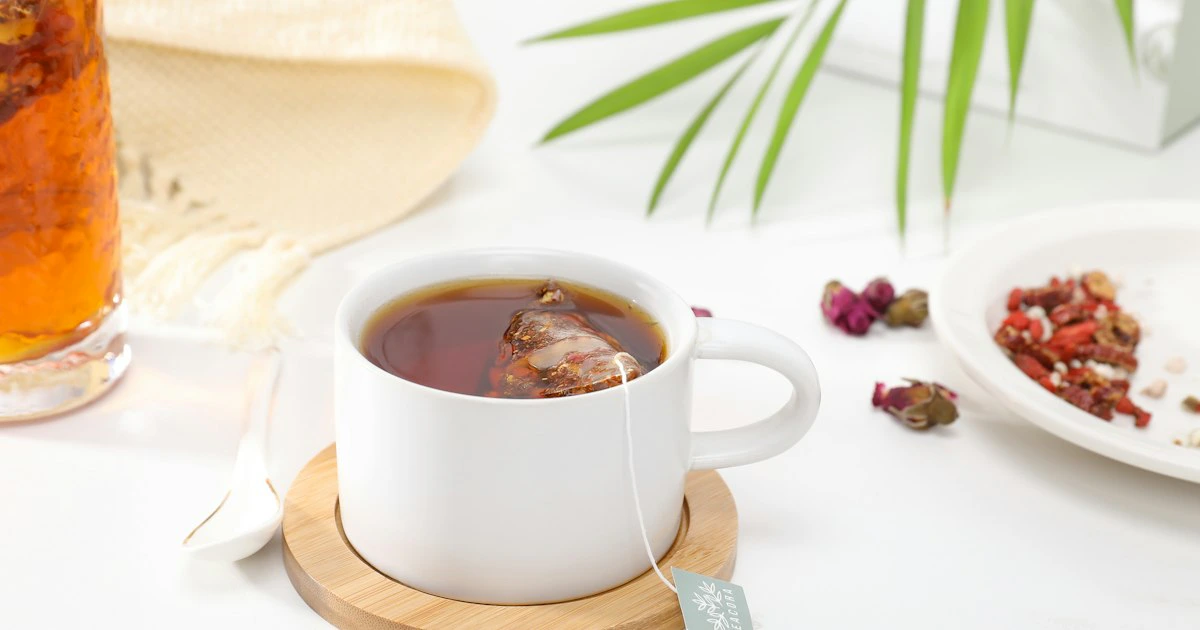
Building Your Morning Tea Routine
Start with one change this week. Pick a single tea that matches the morning you want, black or matcha for a firm lift, green for focused calm, herbal for an easy start, and brew it with the right water temperature and steep time. Pay attention to how you feel an hour later, then adjust. Once you find a cup that fits, build your rotation around it, and keep a caffeine-free option on the shelf for the mornings when you want warmth without the buzz.
Explore Loose Leaf & Herbal Teas
Frequently asked questions
What is the best tea to drink in the morning for energy?
Black tea gives the biggest lift, with about 47 mg of caffeine per 8 oz cup per USDA data. Matcha runs higher still because you drink the whole leaf. Both wake you up without the jump some people feel from coffee.
Is green tea or black tea better for mornings?
It depends on your goal. Black tea has more caffeine and a bolder taste for a quick start. Green tea has less caffeine plus L-theanine, which many drinkers link to calmer focus. Try both for a week and see which suits your mornings.
Can I drink herbal tea in the morning?
Yes. Herbal teas such as chamomile, peppermint, and rooibos are naturally caffeine-free, so they work well if you want warmth and flavor without a caffeine lift. Peppermint in particular feels bright and refreshing early in the day.
How much caffeine is in a cup of tea compared to coffee?
A standard cup of drip coffee carries far more caffeine than tea. Black tea sits around 47 mg per 8 oz and green tea near 29 mg, while coffee holds roughly triple that amount. Tea offers a steadier, milder lift for most people.
Does steeping time change the caffeine in tea?
Yes. Longer steeping in hotter water pulls out more caffeine and more flavor, which can turn a cup bitter. Shorter steeps give you a lighter, lower-caffeine cup. Adjusting time is the easiest way to tune your morning tea.